
Common Health Mistakes People Make and How to Avoid Them
June 11, 2026
Rotary Club of Ipaja New Dawn 2026 Handover Fellowship: Celebrating Leadership, Service, and a New Chapter of Lasting Impact
July 3, 2026The Benefits
Introduction
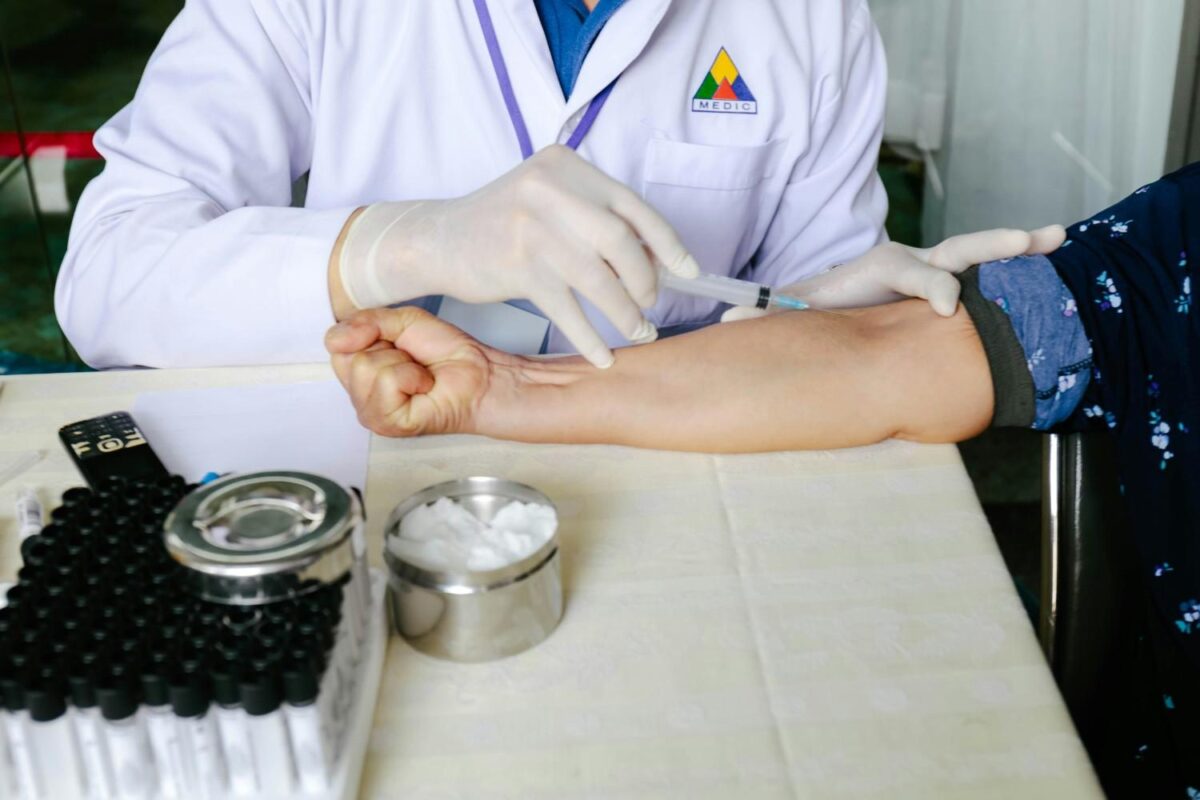
The Benefits of Regular Medical Checkups and Health Screenings extend far beyond simply visiting a doctor when you feel sick. Preventive healthcare plays a critical role in detecting health issues early, improving treatment outcomes, and helping individuals maintain a healthier lifestyle.
Many serious health conditions develop gradually without noticeable symptoms. Regular checkups and screenings allow healthcare providers to identify potential problems before they become severe, giving patients the opportunity to receive timely treatment and make informed health decisions.
Key Benefits of Regular Medical Checkups and Health Screenings
1. Early Disease Detection
Regular screenings can identify conditions before symptoms appear, improving treatment success rates.
2. Reduced Healthcare Costs
Preventing or treating diseases early is often less expensive than managing advanced conditions.
3. Peace of Mind
Knowing your health status can reduce anxiety and help you make informed lifestyle choices.
4. Better Health Monitoring
Routine assessments allow healthcare providers to track changes in your health over time.
5. Improved Quality of Life
Maintaining good health enables individuals to remain active, productive, and independent.
Why Regular Health Screenings Matter
Health screenings can help detect:
- High blood pressure.
- Diabetes.
- High cholesterol.
- Certain cancers.
- Heart disease.
- Kidney disease.
- Vision and hearing problems.
Early detection often leads to better treatment outcomes and improved survival rates.
Recommended Preventive Health Steps
Schedule Annual Checkups
Routine medical examinations provide an overview of your health and identify areas requiring attention.
Monitor Blood Pressure Regularly
High blood pressure is often called a “silent condition” because symptoms may not appear until complications develop.
Check Blood Sugar Levels
Regular diabetes screening helps detect abnormal blood sugar levels early.
Complete Recommended Screenings
Follow your healthcare provider’s recommendations based on age, gender, family history, and risk factors.
Maintain Accurate Medical Records
Keep track of test results, medications, and medical history.
Discuss Family Health History
Family medical history can influence your risk of certain conditions.
Adopt Healthy Lifestyle Habits
Screenings are most effective when combined with healthy eating, exercise, and adequate sleep.
Common Barriers to Health Screenings
Many people avoid screenings due to:
- Fear of results.
- Busy schedules.
- Cost concerns.
- Lack of awareness.
- Feeling healthy and assuming screening is unnecessary.
Overcoming these barriers can significantly improve long-term health outcomes.
Conclusion
Prevention is often better than treatment. Regular medical checkups and health screenings provide valuable opportunities to detect diseases early, monitor ongoing health conditions, and receive professional guidance for maintaining wellness. Investing time in preventive healthcare today can help prevent serious complications in the future and improve overall quality of life.
Frequently Asked Questions
How often should adults get health checkups?
Most adults should schedule routine health checkups annually, although individual needs may vary based on age, health status, and risk factors.
Are health screenings necessary if I feel healthy?
Yes. Many conditions develop without symptoms and can only be detected through screening.
What health screenings are commonly recommended?
Common screenings include blood pressure checks, cholesterol tests, diabetes screening, cancer screenings, and vision examinations.
Can regular screenings save money?
Yes. Early detection often reduces treatment costs by preventing serious complications.
Why is preventive healthcare important?
Preventive healthcare helps identify health problems early and supports long-term wellness.
Introduction
The Benefits of Regular Medical Checkups and Health Screenings extend far beyond simply visiting a doctor when you feel sick. Preventive healthcare plays a critical role in detecting health issues early, improving treatment outcomes, and helping individuals maintain a healthier lifestyle.
Many serious health conditions develop gradually without noticeable symptoms. Regular checkups and screenings allow healthcare providers to identify potential problems before they become severe, giving patients the opportunity to receive timely treatment and make informed health decisions.
Key Benefits of Regular Medical Checkups and Health Screenings
1. Early Disease Detection
Regular screenings can identify conditions before symptoms appear, improving treatment success rates.
2. Reduced Healthcare Costs
Preventing or treating diseases early is often less expensive than managing advanced conditions.
3. Peace of Mind
Knowing your health status can reduce anxiety and help you make informed lifestyle choices.
4. Better Health Monitoring
Routine assessments allow healthcare providers to track changes in your health over time.
5. Improved Quality of Life
Maintaining good health enables individuals to remain active, productive, and independent.
Why Regular Health Screenings Matter
Health screenings can help detect:
- High blood pressure.
- Diabetes.
- High cholesterol.
- Certain cancers.
- Heart disease.
- Kidney disease.
- Vision and hearing problems.
Early detection often leads to better treatment outcomes and improved survival rates.
Recommended Preventive Health Steps
Schedule Annual Checkups
Routine medical examinations provide an overview of your health and identify areas requiring attention.
Monitor Blood Pressure Regularly
High blood pressure is often called a “silent condition” because symptoms may not appear until complications develop.
Check Blood Sugar Levels
Regular diabetes screening helps detect abnormal blood sugar levels early.
Complete Recommended Screenings
Follow your healthcare provider’s recommendations based on age, gender, family history, and risk factors.
Maintain Accurate Medical Records
Keep track of test results, medications, and medical history.
Discuss Family Health History
Family medical history can influence your risk of certain conditions.
Adopt Healthy Lifestyle Habits
Screenings are most effective when combined with healthy eating, exercise, and adequate sleep.
Common Barriers to Health Screenings
Many people avoid screenings due to:
- Fear of results.
- Busy schedules.
- Cost concerns.
- Lack of awareness.
- Feeling healthy and assuming screening is unnecessary.
Overcoming these barriers can significantly improve long-term health outcomes.
Conclusion
Prevention is often better than treatment. Regular medical checkups and health screenings provide valuable opportunities to detect diseases early, monitor ongoing health conditions, and receive professional guidance for maintaining wellness. Investing time in preventive healthcare today can help prevent serious complications in the future and improve overall quality of life.
Frequently Asked Questions
How often should adults get health checkups?
Most adults should schedule routine health checkups annually, although individual needs may vary based on age, health status, and risk factors.
Are health screenings necessary if I feel healthy?
Yes. Many conditions develop without symptoms and can only be detected through screening.
What health screenings are commonly recommended?
Common screenings include blood pressure checks, cholesterol tests, diabetes screening, cancer screenings, and vision examinations.
Can regular screenings save money?
Yes. Early detection often reduces treatment costs by preventing serious complications.
Why is preventive healthcare important?
Preventive healthcare helps identify health problems early and supports long-term wellness.
