
The Importance of Drinking Enough Water Every Day
June 10, 20267 Warning Signs Your Body May Be Lacking Essential Nutrients
June 10, 2026Introduction

Exercise is one of the most powerful tools for maintaining and improving overall health. In today’s fast-paced world, many people spend long hours sitting at desks, using electronic devices, or engaging in activities that require little physical movement. As a result, physical inactivity has become a growing concern and is linked to various health problems, including obesity, heart disease, diabetes, and mental health challenges.
Regular exercise is essential because it supports both physical and mental well-being. Whether it’s a brisk walk, a gym workout, cycling, dancing, swimming, or playing sports, staying active helps the body function efficiently and keeps the mind sharp.
The good news is that you do not need to be a professional athlete to enjoy the benefits of exercise. Simple activities performed consistently can have a significant positive impact on your health. This article explores the physical and mental health benefits of regular exercise, practical tips for getting started, and answers to common questions about fitness.
Why Exercise Is Essential for Overall Well-Being
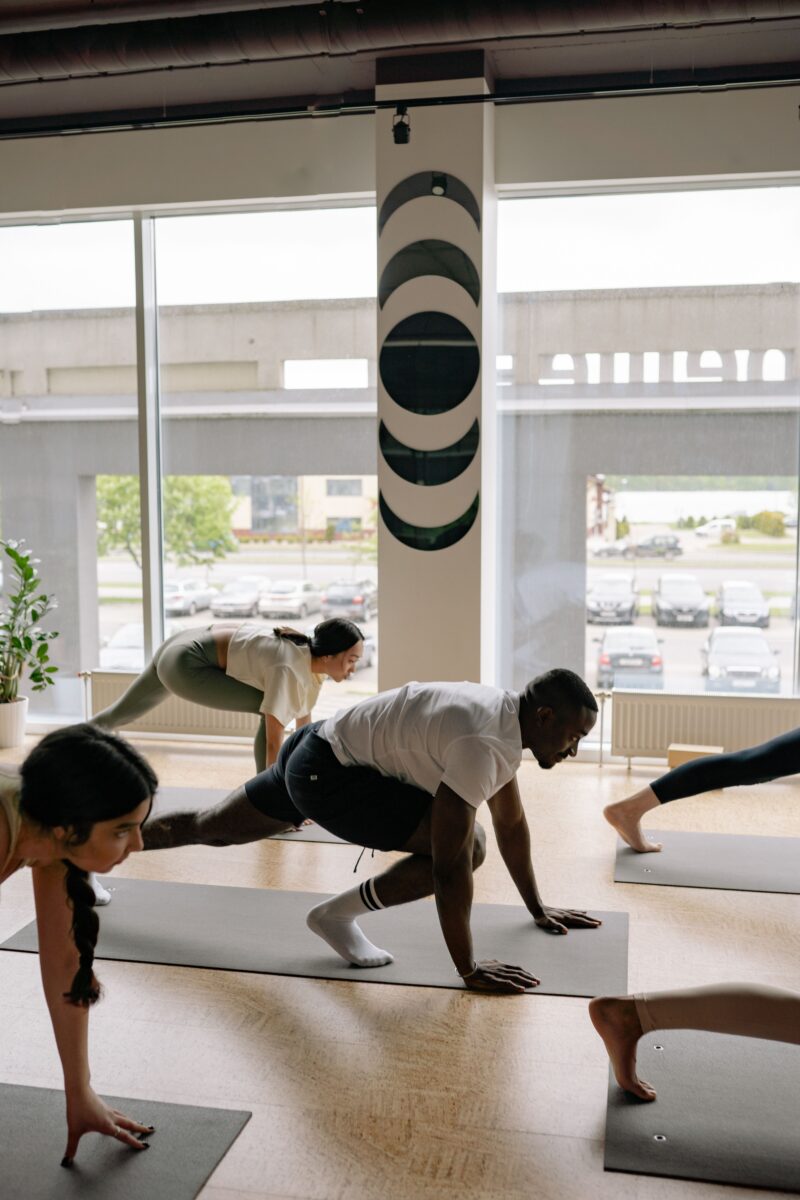
Exercise affects nearly every part of the body. It strengthens muscles, improves heart function, boosts energy levels, and supports mental health. Physical activity also helps prevent chronic diseases and improves quality of life.
When you exercise regularly, your body releases chemicals called endorphins, often referred to as “feel-good hormones.” These chemicals help improve mood, reduce stress, and promote feelings of happiness and relaxation.
Regular movement is not just about looking fit—it is about building a healthier, stronger, and more resilient body and mind.
Key Benefits of Regular Exercise
1. Weight Control
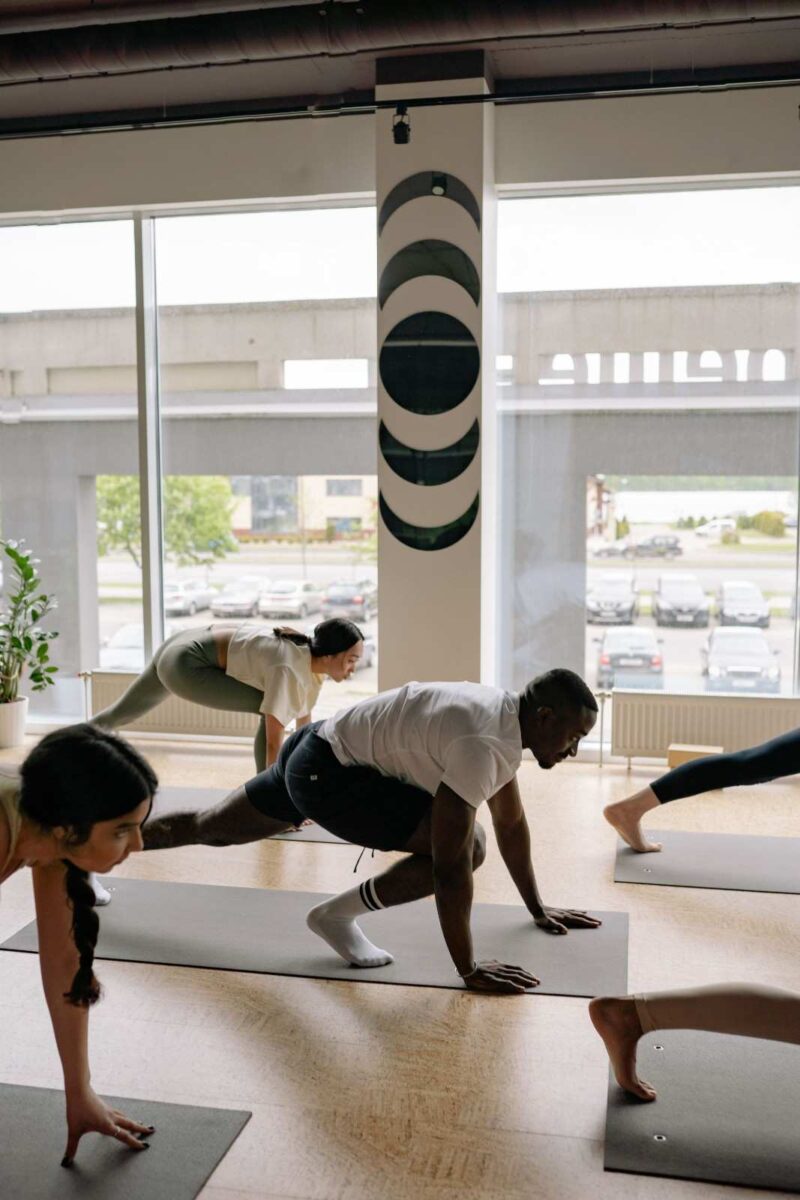
One of the most well-known benefits of exercise is its role in weight management. Physical activity burns calories and helps maintain a healthy balance between calories consumed and calories used.
Exercise helps:
- Burn excess body fat
- Increase metabolism
- Maintain a healthy weight
- Support long-term weight loss goals
When combined with a balanced diet, exercise can be highly effective for achieving and maintaining a healthy body weight.
2. Stronger Heart and Better Cardiovascular Health

The heart is a muscle, and like any muscle, it becomes stronger with regular exercise.
Benefits for heart health include:
- Improved blood circulation
- Lower blood pressure
- Reduced risk of heart disease
- Better oxygen delivery throughout the body
- Improved cholesterol levels
Activities such as walking, jogging, cycling, and swimming are excellent ways to strengthen the cardiovascular system.
3. Reduced Stress and Anxiety
Exercise is a natural stress reliever. Physical activity helps lower levels of stress hormones such as cortisol while increasing the production of endorphins.
Regular exercise can:
- Reduce feelings of stress
- Improve emotional well-being
- Promote relaxation
- Increase self-confidence
- Improve resilience during difficult situations
Even a short walk can help clear your mind and improve your mood.
4. Improved Mental Health
Exercise plays an important role in supporting mental health. Studies have shown that physical activity can help reduce symptoms of depression and anxiety.
Regular exercise may:
- Improve mood
- Increase self-esteem
- Reduce symptoms of depression
- Improve cognitive function
- Support emotional balance
Many people report feeling more positive and energetic after exercising.
5. Increased Energy Levels
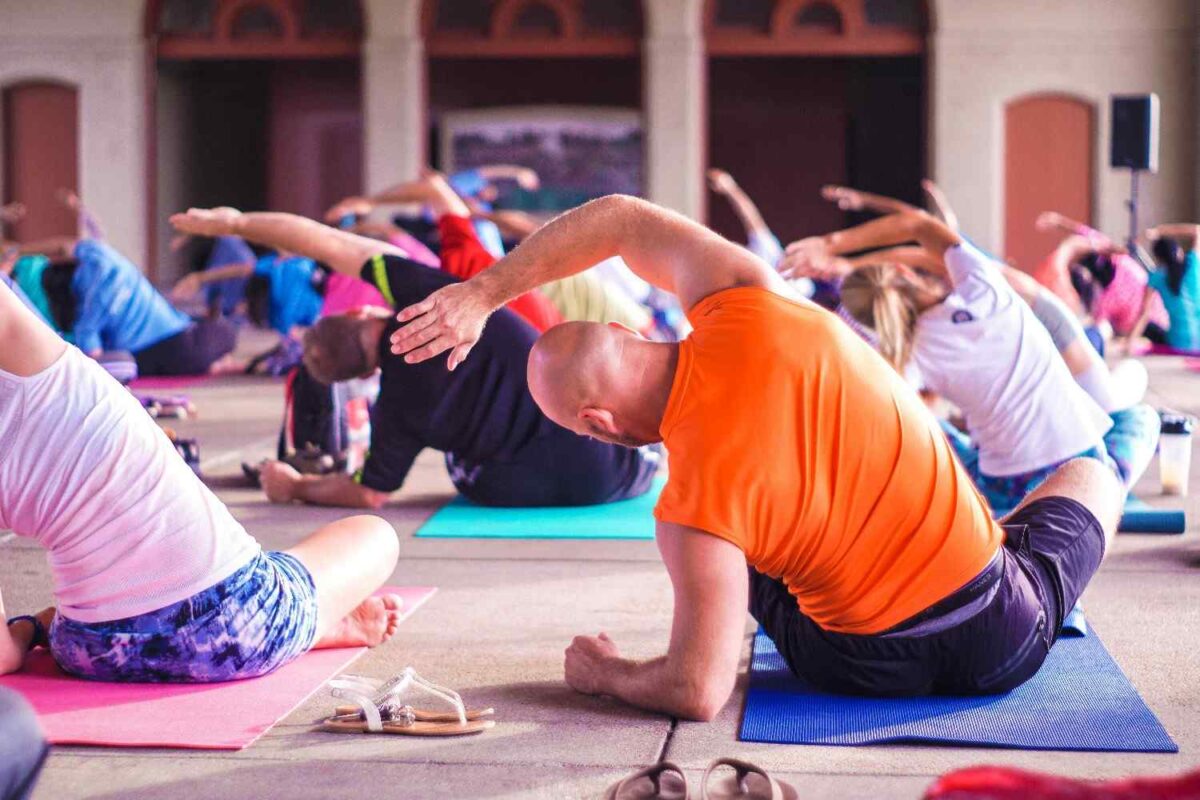
While it may seem counterintuitive, exercise actually increases energy rather than depleting it.
Regular physical activity:
- Improves oxygen flow
- Enhances circulation
- Strengthens muscles
- Increases endurance
As a result, everyday activities become easier and less tiring.
6. Stronger Bones and Muscles
Weight-bearing exercises help maintain strong bones and muscles, which become increasingly important with age.
Benefits include:
- Increased muscle strength
- Improved balance and coordination
- Reduced risk of osteoporosis
- Better posture
- Greater physical independence
Strength training and resistance exercises are particularly beneficial.
7. Better Sleep Quality
People who exercise regularly often experience better sleep quality and fall asleep more easily.
Exercise can:
- Help regulate sleep patterns
- Improve sleep duration
- Promote deeper sleep
- Reduce insomnia symptoms
Quality sleep is essential for recovery and overall health.
8. Enhanced Immune Function
Regular moderate exercise supports a healthy immune system by promoting good circulation and helping immune cells move efficiently throughout the body.
This can help the body:
- Fight infections
- Recover more quickly from illness
- Maintain overall wellness
Practical Tips to Start Exercising Regularly
Starting an exercise routine can feel overwhelming, especially for beginners. However, small steps can lead to lasting success.
1. Start with Walking
Walking is one of the easiest and most accessible forms of exercise.
Benefits of walking:
- No special equipment required
- Suitable for most fitness levels
- Can be done almost anywhere
- Improves cardiovascular health
Start with 15 to 20 minutes per day and gradually increase your time and pace.
2. Create a Routine
Consistency is the key to long-term success.
To build a routine:
- Schedule exercise at the same time daily
- Set realistic goals
- Track your progress
- Start small and increase gradually
Making exercise part of your daily schedule increases the likelihood that you will stick with it.
3. Choose Activities You Enjoy
The best exercise is the one you enjoy doing consistently.
Popular options include:
- Walking
- Running
- Cycling
- Dancing
- Swimming
- Yoga
- Team sports
- Strength training
Enjoyable activities make exercise feel less like a chore and more like a rewarding part of your day.
4. Exercise with Friends or Family
Working out with others can provide motivation, accountability, and social support.
Group activities can make exercise:
- More enjoyable
- More consistent
- Less intimidating
5. Set Achievable Goals
Setting realistic goals helps maintain motivation and build confidence.
Examples:
- Walk 30 minutes daily
- Exercise three times per week
- Complete 10,000 steps per day
Celebrate small achievements as you progress.
Common Exercise Mistakes to Avoid
Many beginners make mistakes that can hinder progress or lead to injury.
Avoid:
- Doing too much too soon
- Skipping warm-ups and cool-downs
- Neglecting rest days
- Comparing yourself to others
- Focusing only on weight loss
- Using poor exercise form
Gradual progress is more sustainable and safer than extreme workouts.
Conclusion
Regular exercise is one of the best investments you can make in your physical and mental health. It helps control weight, strengthens the heart, reduces stress, improves mood, boosts energy levels, and supports overall well-being.
The key to success is consistency. You do not need intense workouts or expensive equipment to experience the benefits. Simple activities such as walking, cycling, dancing, or stretching can make a significant difference when performed regularly.
Start small, stay consistent, and choose activities you enjoy. Over time, regular exercise will help you build a stronger body, a healthier mind, and a better quality of life.
Frequently Asked Questions (FAQ)
How many minutes of exercise should I get each week?
Health experts generally recommend at least 150 minutes of moderate-intensity exercise or 75 minutes of vigorous-intensity exercise per week, along with muscle-strengthening activities on two or more days.
Is walking enough exercise?
Yes. Walking is an excellent form of exercise that improves cardiovascular health, burns calories, and supports overall fitness when done regularly.
Can exercise improve mental health?
Absolutely. Exercise helps reduce stress, anxiety, and symptoms of depression while improving mood and self-confidence.
What is the best time of day to exercise?
The best time is whenever you can exercise consistently. Morning, afternoon, and evening workouts can all be effective.
How long does it take to see results from exercise?
Many people notice increased energy and improved mood within a few weeks. Physical changes such as improved fitness and weight management may take several weeks to several months.
Do I need a gym membership to stay fit?
No. Many effective exercises, including walking, jogging, bodyweight workouts, and home fitness routines, require little or no equipment.
What should I eat before exercising?
Light meals or snacks containing carbohydrates and protein can provide energy for workouts. Examples include fruit, yogurt, oatmeal, or whole-grain toast.