
How Regular Exercise Benefits Your Physical and Mental Health
June 10, 2026Healthy Eating Tips for Busy Professionals
June 10, 2026Body
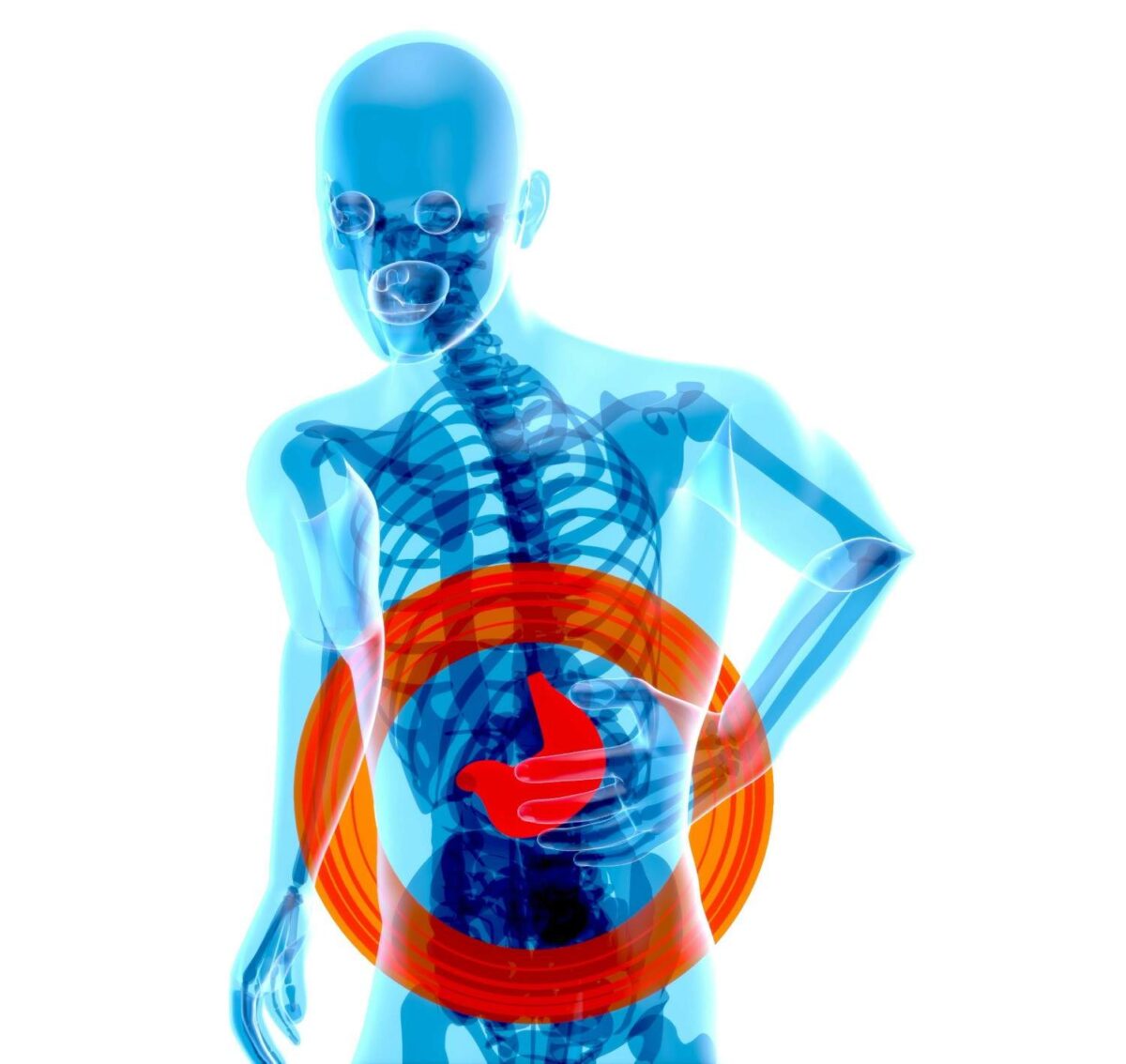
Introduction
Nutrients are essential substances that your body needs to function properly. Vitamins, minerals, proteins, healthy fats, and carbohydrates all play important roles in maintaining energy levels, supporting immunity, promoting growth, and keeping organs functioning effectively. However, many people unknowingly suffer from nutrient deficiencies due to poor diet, restrictive eating habits, medical conditions, or lifestyle factors.
When your body lacks essential nutrients, it often sends warning signals. These signs may seem minor at first, but ignoring them can lead to more serious health complications over time. Learning to recognize these symptoms early can help you take corrective action and improve your overall well-being.
In this article, we’ll discuss seven common warning signs that may indicate your body is lacking essential nutrients and what you can do to address them.
Key Benefits of Early Detection
Identifying nutrient deficiencies early offers several benefits:
- Prevents long-term health complications.
- Improves energy and productivity.
- Strengthens the immune system.
- Supports healthy skin, hair, and nails.
- Enhances mental focus and cognitive function.
- Promotes better physical performance.
- Improves overall quality of life.
By paying attention to your body’s signals, you can make dietary adjustments before deficiencies become severe.
1. Persistent Fatigue and Low Energy

Feeling tired occasionally is normal, especially after a busy day. However, constant fatigue that doesn’t improve with rest may indicate a nutrient deficiency.
Common deficiencies linked to fatigue include:
- Iron deficiency
- Vitamin B12 deficiency
- Vitamin D deficiency
- Magnesium deficiency
Iron helps transport oxygen throughout the body. When iron levels are low, the body’s tissues receive less oxygen, leading to weakness and exhaustion. Similarly, vitamin B12 supports red blood cell production and nervous system function.
If you experience ongoing tiredness despite adequate sleep, it may be worth evaluating your nutritional intake.
2. Brittle Nails and Weak Hair
Your hair and nails often reflect your nutritional status. Brittle nails, excessive hair shedding, and slow hair growth can indicate a lack of important nutrients.
Potential deficiencies include:
- Biotin
- Iron
- Zinc
- Protein
Biotin supports healthy hair and nail growth, while zinc plays a critical role in tissue repair. Insufficient protein intake can also affect the body’s ability to maintain strong hair and nails.
Including nutrient-rich foods such as eggs, fish, nuts, seeds, legumes, and lean meats can help support healthy growth.
3. Frequent Illness and Weak Immunity
If you find yourself catching colds frequently or taking longer than usual to recover from infections, your immune system may not be functioning optimally.
Nutrients essential for immunity include:
- Vitamin C
- Vitamin D
- Zinc
- Selenium
These nutrients help the body fight infections and maintain a healthy immune response. A balanced diet rich in fruits, vegetables, nuts, and whole grains can support immune health.
4. Poor Concentration and Memory Problems
Difficulty focusing, forgetfulness, and mental fog can sometimes be linked to nutritional deficiencies.
Common deficiencies associated with cognitive issues include:
- Vitamin B12
- Omega-3 fatty acids
- Iron
- Folate
The brain requires a steady supply of nutrients to function efficiently. Deficiencies may affect memory, concentration, learning ability, and mood.
Eating foods such as fatty fish, leafy greens, eggs, and fortified cereals can help support brain health.
5. Pale Skin and Dark Circles
Changes in skin appearance may signal nutrient deficiencies. Pale skin, dark circles under the eyes, and a generally unhealthy complexion can sometimes indicate:
- Iron deficiency
- Vitamin B12 deficiency
- Folate deficiency
These nutrients are necessary for healthy blood production and oxygen delivery. When levels are low, the skin may lose its natural color and vitality.
Maintaining a balanced diet rich in iron-containing foods such as beans, spinach, and lean meats may help improve these symptoms.
6. Muscle Cramps and Weakness

Frequent muscle cramps, twitching, or weakness can be signs that your body lacks essential minerals.
Deficiencies often linked to muscle problems include:
- Magnesium
- Potassium
- Calcium
- Vitamin D
These nutrients help regulate muscle contractions and nerve function. When levels become too low, muscles may not work properly.
Proper hydration and a diet containing dairy products, leafy vegetables, bananas, nuts, and seeds can support muscle health.
7. Slow Wound Healing
Cuts, bruises, and wounds that take longer than usual to heal may indicate nutritional deficiencies.
Important nutrients involved in healing include:
- Vitamin C
- Zinc
- Protein
- Vitamin A
These nutrients help repair damaged tissues and support the body’s recovery processes. Without adequate amounts, healing may be delayed.
Consuming a balanced diet with fruits, vegetables, lean proteins, and whole foods can help promote faster recovery.
Tips and Steps to Prevent Nutrient Deficiencies
Follow these practical steps to maintain adequate nutrient levels:
1. Eat a Balanced Diet
Include a variety of fruits, vegetables, whole grains, lean proteins, and healthy fats in your daily meals.
2. Avoid Highly Processed Foods
Processed foods often contain fewer nutrients and more unhealthy additives.
3. Stay Hydrated
Proper hydration supports digestion and nutrient absorption.
4. Get Regular Health Checkups
Routine blood tests can help identify deficiencies before symptoms worsen.
5. Spend Time Outdoors
Sunlight helps the body produce vitamin D naturally.
6. Consider Supplements When Necessary
Consult a healthcare professional before taking supplements.
7. Listen to Your Body
Pay attention to unusual symptoms and seek medical advice when needed.
Conclusion
Your body often provides early warning signs when it lacks essential nutrients. Persistent fatigue, brittle nails, hair loss, poor concentration, muscle cramps, pale skin, and slow wound healing should not be ignored. Recognizing these symptoms early can help prevent more serious health problems and improve your overall well-being.
A balanced diet rich in vitamins, minerals, and other essential nutrients remains one of the best ways to maintain good health. By making informed dietary choices and monitoring your body’s signals, you can support optimal physical and mental performance for years to come.
Frequently Asked Questions (FAQ)
1. Which nutrient deficiencies are most common?
The most common deficiencies include iron, vitamin D, vitamin B12, calcium, magnesium, and zinc.
2. Can nutrient deficiencies cause fatigue?
Yes. Iron, vitamin B12, and vitamin D deficiencies are common causes of ongoing fatigue and low energy.
3. How can I know if I have a nutrient deficiency?
A healthcare provider can perform blood tests to identify specific deficiencies.
4. Can supplements fix nutrient deficiencies?
In many cases, supplements can help, but they should be taken under professional guidance.
5. What foods are rich in essential nutrients?
Fruits, vegetables, whole grains, lean proteins, dairy products, nuts, seeds, and legumes provide a wide range of essential nutrients.
6. How long does it take to correct a nutrient deficiency?
The timeline varies depending on the deficiency, severity, and treatment approach. Some improvements may occur within weeks, while others may take months.
7. Can poor diet affect mental health?
Yes. Nutritional deficiencies can contribute to poor concentration, mood changes, and cognitive difficulties.